The Hidden Cost of Carrying It All
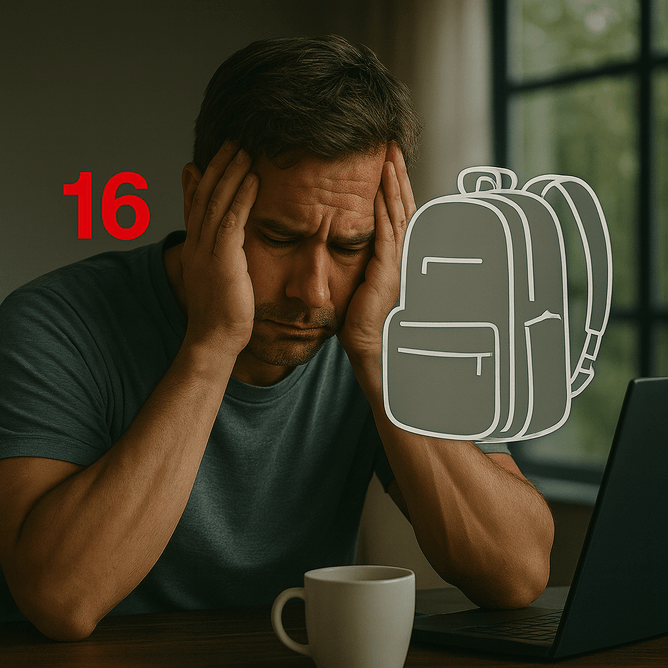
Running a New Zealand SME takes stamina, not just strategy. Owners give it everything. Long hours, constant firefighting, endless mental load. Burnout rarely arrives in a dramatic collapse. It creeps in quietly, draining joy, patience and resilience. It shows up in fatigue, irritability, sleepless nights and emotional detachment. By the time it’s obvious, the damage is already done.
James, who runs a transport business in Invercargill, pushed himself for years. Six-day weeks. Pre-dawn dispatch calls. Late-night invoicing. He wore his commitment like a badge of honour. Then the signs piled up. Migraines, insomnia, blood pressure problems. His wife eventually told him he was no longer the man she knew. That wake-up call shook him. The risk wasn’t just burnout. It was the collapse of everything that mattered most.
Why Burnout Strikes SME Owners
In conversations with Pivotal People, this is one of the most common – and least discussed – challenges owners raise. Burnout tends to build under the surface, fed by a mix of responsibility and isolation.
Common triggers include:
The belief that the owner must do everything
Blurred boundaries between work and life
The emotional load of carrying staff and clients
Financial strain with little predictability
A lack of peers or mentors to confide in
A culture that glorifies hard work and downplays vulnerability
James didn’t see it coming. Like many others, he didn’t realise he was burning out until his body said enough.
Rethinking the Issue
Pivotal People reframe burnout as a business risk, not a personal flaw. You wouldn’t run equipment without maintenance. You wouldn’t skip servicing your fleet. So why push yourself to breaking point?
Leadership requires stamina. Protecting your wellbeing is part of protecting the business. Rest is not a luxury. It’s a strategic lever. A burnt-out owner makes poor decisions, damages morale and eventually pays a high cost.
What Pivotal People Recommend
Draw a line. Set firm work hours. Let others know when you're available and when you’re not.
Delegate and trust. Empower your team to step up. It’s not weakness to share the load.
Schedule breaks. Take time off. Lock it in. Recovery is fuel for resilience.
Connect with others. Peer groups, mentors and advisors provide perspective and accountability.
Move and eat well. Regular exercise, decent food and health checks matter more than you think.
Use mental tools. Journaling, mindfulness or structured reflection builds clarity and calm.
Get professional help. Coaching or counselling can shift patterns and restore momentum.
Each tactic is a small investment. The alternative is slow collapse.
Case Study – James’s Recovery
After his health scare, James brought in an operations manager. That decision, guided by a Pivotal People advisor, gave him breathing room. Dispatch and day-to-day logistics moved off his plate. He also made a commitment to leave the office by six and keep Sundays sacred. The health changes followed. Migraines eased. Blood pressure dropped. His marriage improved. He became more present. His leadership strengthened because he had space to think.
Case Study – Maria’s Wake-Up Call
Maria, who runs a homewares store in Tauranga, didn’t suffer physical symptoms. Her burnout showed up as apathy. She stopped caring. Staff felt the shift. Sales dipped. A friend pushed her to join a local business network, where Pivotal People facilitated peer discussions on burnout. Maria heard her own story in others. That normalised it. She made changes. Adjusted her roster. Took two days off each week. Outsourced bookkeeping. Invested in her team. Within months, her energy returned. The shop felt alive again.
The Emotional Cost
Burnout strikes at identity. SME owners often see themselves as tough, tireless and dependable. Admitting they’re exhausted feels like failure. Yet pushing through without help only makes it worse.
Pivotal People encourage open dialogue. Guilt and silence are heavy. The truth is, burnout doesn't just hurt the owner. It affects staff, family and business stability. Addressing it takes strength, not weakness.
Wider Context for NZ SMEs
Burnout affects businesses everywhere, but Kiwi owners face unique pressures. Isolation. Labour shortages. A strong cultural bias toward “just getting on with it.” Add in rising compliance demands, staffing headaches and the long tail of pandemic stress – it’s a heavy mix.
Surveys show SME owners regularly report higher stress levels than employees. Over half say they work more than 55 hours per week. Most keep going with minimal support. That needs to change.
The good news is, support is growing. Business mentors, industry groups and local chambers are starting to talk more openly about wellbeing. Pivotal People are part of that shift – helping owners protect their energy, not just their margins.
Measuring Progress
Owners working through burnout usually notice changes like:
Better sleep and steadier moods
Reduced hours without business slipping
Staff handling more without constant supervision
Family noticing improvements
A return of energy, curiosity and purpose
James felt it when he could enjoy dinner without checking his phone. Maria knew it when she caught herself getting excited about a new product launch.
A Final Thought
Burnout is avoidable, but only with intent. Owners who take care of themselves lead better, last longer and enjoy the work more. Pivotal People coach SME leaders to treat their own wellbeing as a business asset. That mindset shift is everything. Your business needs a strong foundation. That includes you.
Sleep comes easier when you remember you're human – not a machine – and you run the business, it doesn’t run you.